
How to Safely Tackle Load-Bearing Wall Projects in Cold Weather
4180 | Slug: how-to-safely-tackle-load-bearing-wall-projects-in-cold-weather---
Nobody cancels the Super Bowl because it's cold outside.
Sure, the conditions change. The quarterback's grip is different. The field is harder. The receivers' hands are stiffer. The coaches adjust the playbook -- maybe more running plays, fewer deep throws, tighter formations.
But the game gets PLAYED. And sometimes, the best games happen in the worst weather.
Your load-bearing wall project works the same way. Winter in Texas isn't exactly Green Bay in January, but it DOES bring conditions that change the playbook. Temperature drops, shorter daylight hours, moisture considerations, and material behavior all shift when the thermostat falls below 50 degrees F.
Does that mean you should wait until spring? Absolutely NOT.
It means you adjust the game plan. And the teams that know how to play in the cold? They WIN.
First Quarter: Why Winter Is Actually SMART for Renovations
Here's what nobody tells you: winter is the SECRET WEAPON of the renovation schedule.
Contractor availability. Every homeowner in Texas wants their project done between March and October. Contractors are booked solid. Lead times stretch to weeks or months. During winter? The schedule opens up. You can often get faster booking, more flexible timing, and a crew that isn't trying to juggle six projects simultaneously.
Pricing advantages. When demand drops, pricing can flex. Material suppliers run winter promotions. Some contractors offer off-season rates. The same project that costs X in June might cost X minus 10-15% in January. That's not a guarantee -- it's a trend. But it's a trend worth exploiting.
Less disruption to daily life. In summer, your windows are open. Your family's in and out. The AC is running constantly. In winter, the house is already closed up. Construction dust is more contained. The HVAC is running regardless, so the indoor air quality management is simpler.
Holiday upgrades. Start in November, finish before Thanksgiving. Start in January, finish before your Super Bowl party. Start in February, have it done by Easter. Winter projects have natural deadlines that keep everyone motivated.
⭐️⭐️⭐️⭐️⭐️ "As someone who works in construction I tend to have high standard. The office staff was great. Answered all my questions and had a quick turn around on my paperwork. The crew onsite was on time and respectful." -- Amanda Walker, Plano
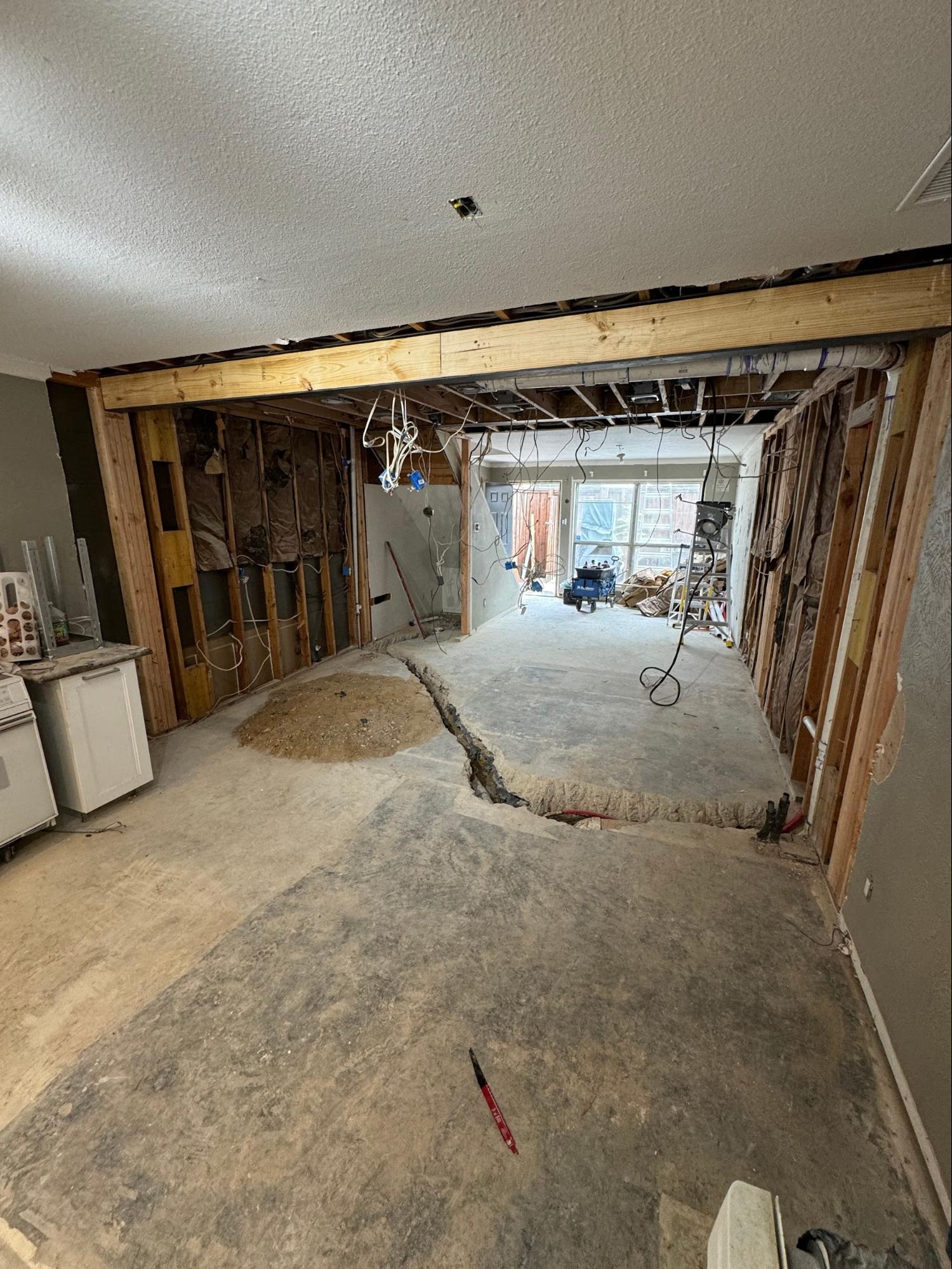
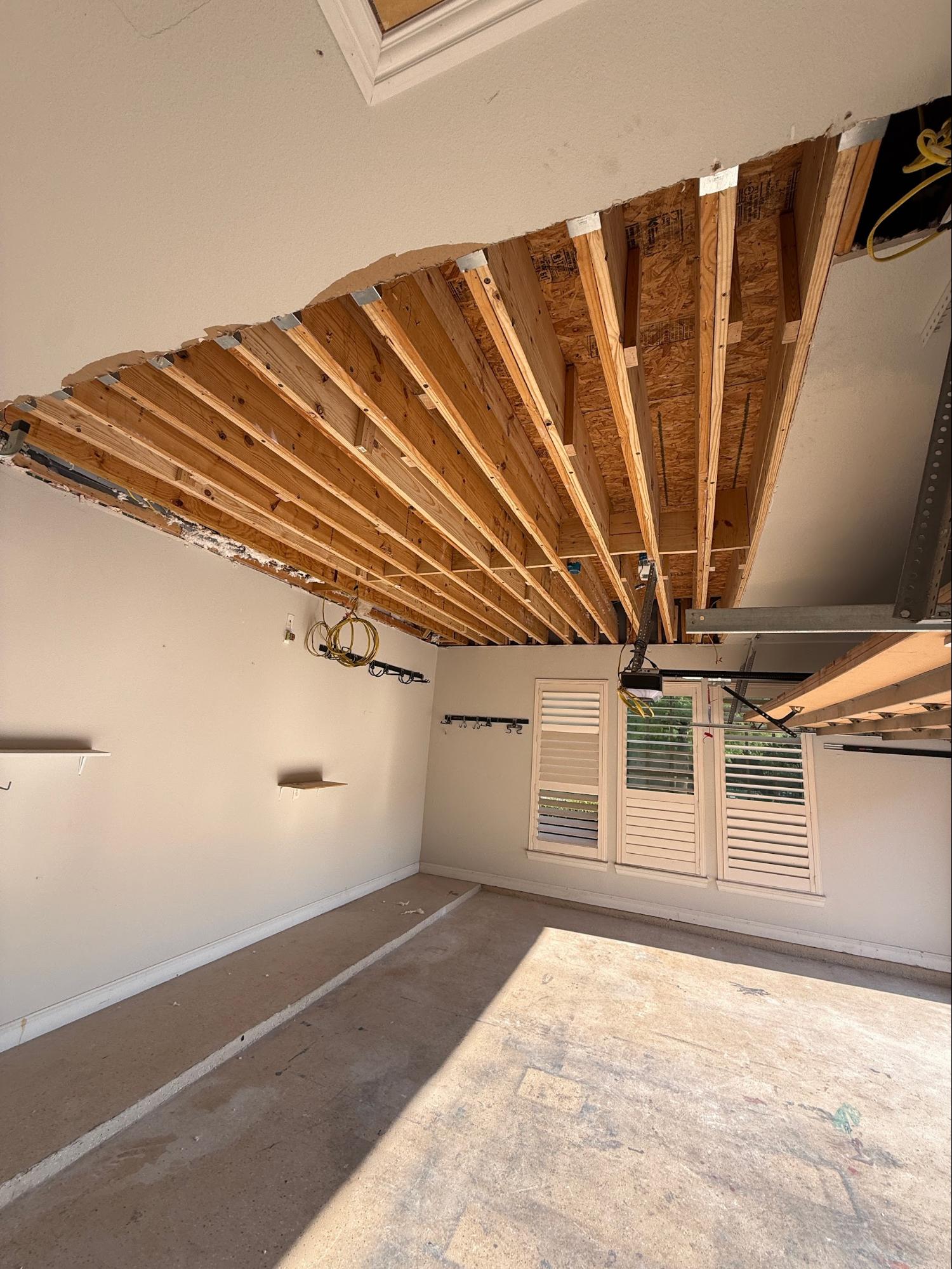
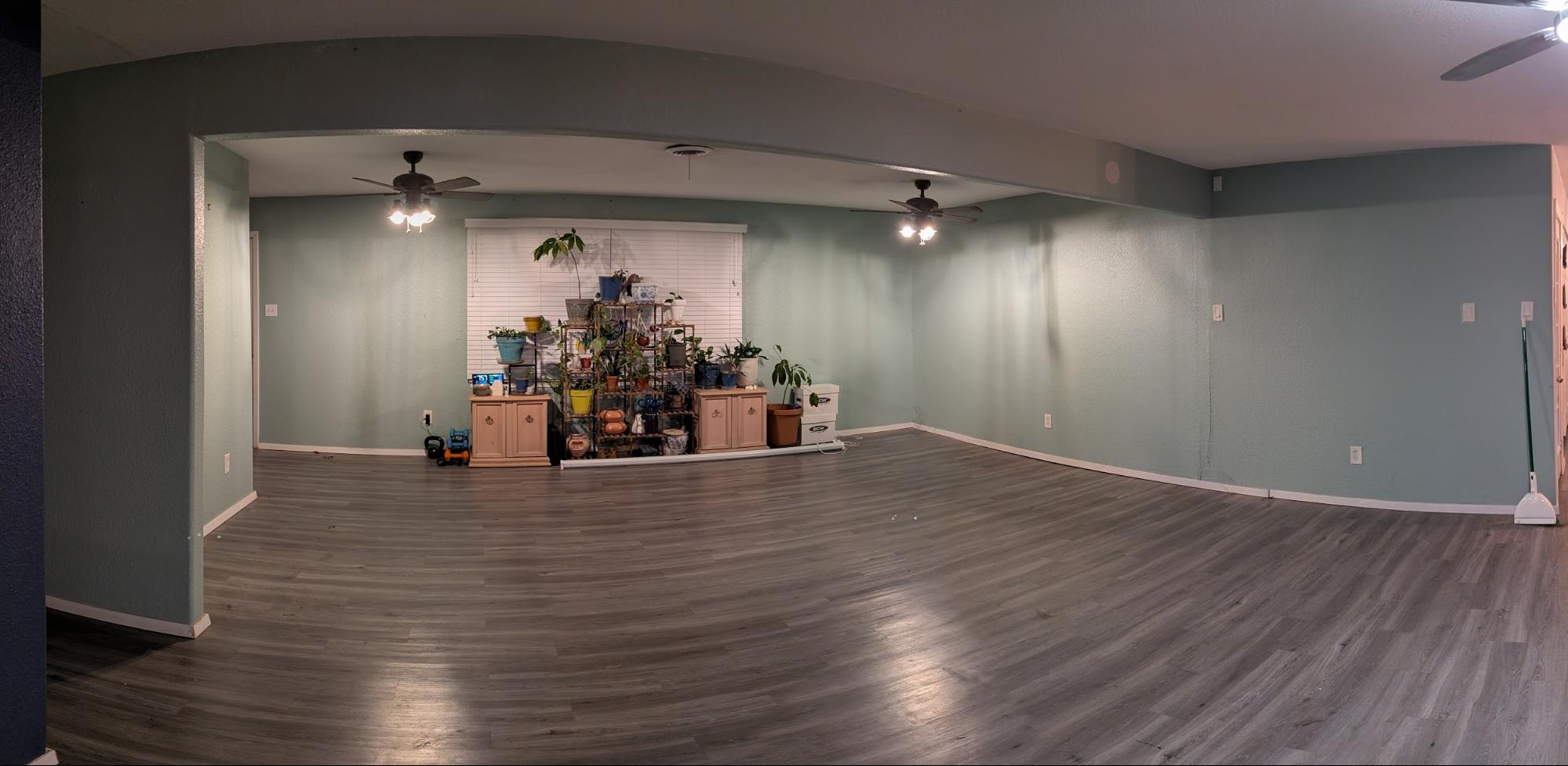
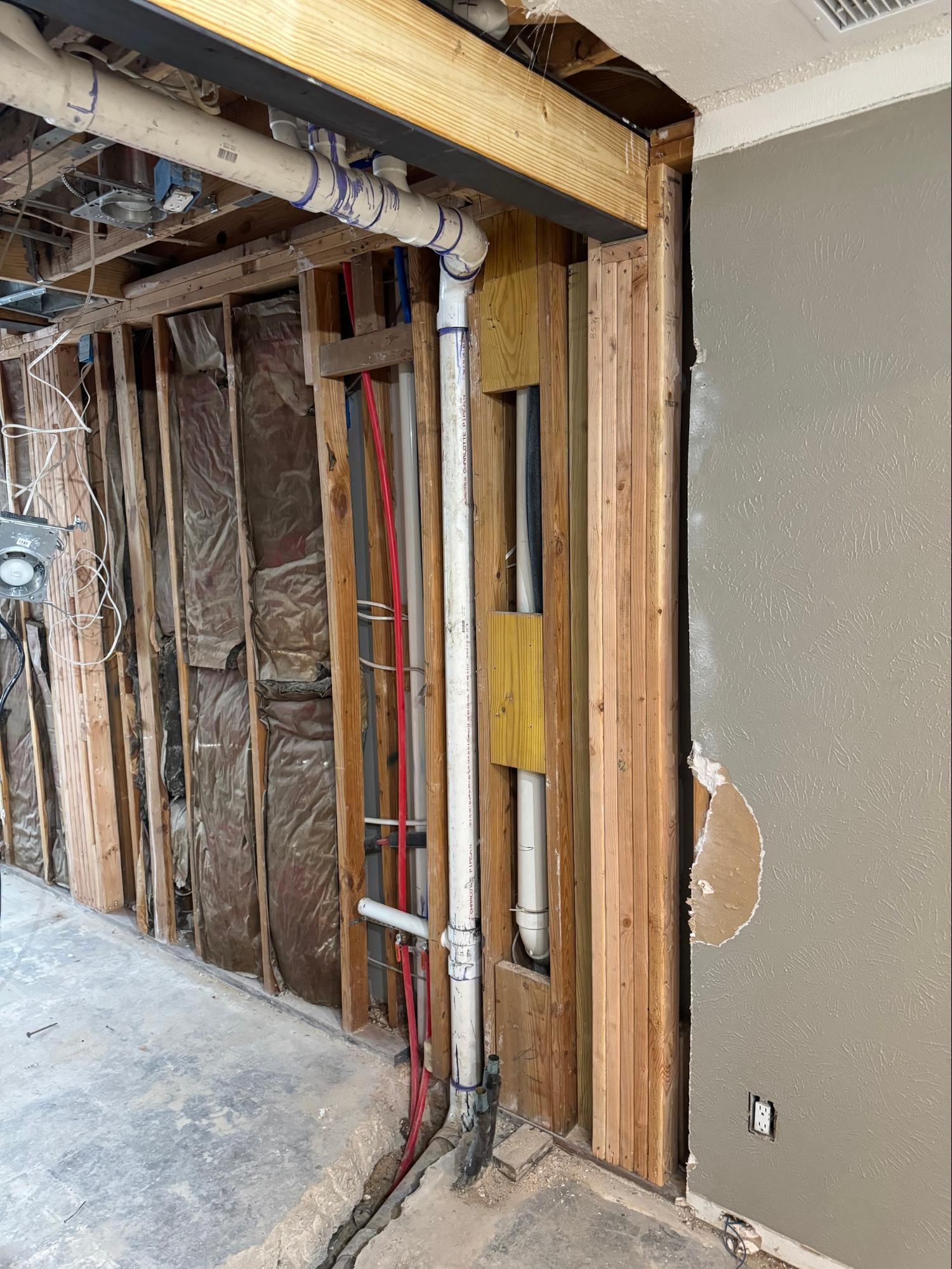
Second Quarter: Cold Weather Considerations That Actually Matter
Texas "cold weather" is relative. We're not talking about -20 degrees F Minnesota construction conditions. We're talking about the 30 degrees F-50 degrees F range that happens from late November through February, with occasional dips below freezing.
But even moderate cold affects construction. Here's what changes:
Material Behavior
Steel beams perform identically in cold weather. Steel doesn't care about temperature in the ranges Texas experiences. It's dimensionally stable, doesn't shrink, doesn't become brittle. Your steel beam in January is the same beam in July.
LVL and engineered wood beams are also minimally affected by temperature alone. But moisture IS a factor -- cold air in Texas often comes with rain events, and wood products need to be kept dry during transport and installation.
Concrete and foundation work IS temperature-sensitive. If your project involves any foundation modifications (adding bearing points, pouring footings), cold weather slows curing time. Below 40 degrees F, concrete needs special additives or protection to cure properly. Below 28 degrees F, fresh concrete can freeze and fail.
Adhesives and sealants have minimum application temperatures printed right on the label. Most construction adhesives need 40 degrees F+ to cure properly. Your crew needs to check this and plan accordingly.
Working Conditions
Shorter daylight. December in Texas gives you about 10 hours of daylight versus 14 in June. For a project that completes in one day (like LBWP's), this isn't a problem -- we're done well before sunset. For multi-day projects, shorter days mean slower progress.
Crew comfort and safety. Cold, stiff hands work less precisely. Metal tools are harder to grip. Footing on frosty surfaces can be treacherous in the morning. Professional crews mitigate this with proper gear, staged work areas, and adjusted start times.
Indoor temperature control. When a wall comes out, your interior is temporarily exposed -- even briefly. In summer, this means heat and humidity rush in. In winter, cold air enters. The solution: work in controlled phases, minimize the time the structure is "open," and use temporary barriers to maintain indoor temperature.
Halftime: The LBWP Winter Advantage
Here's why LBWP projects are particularly well-suited to winter:
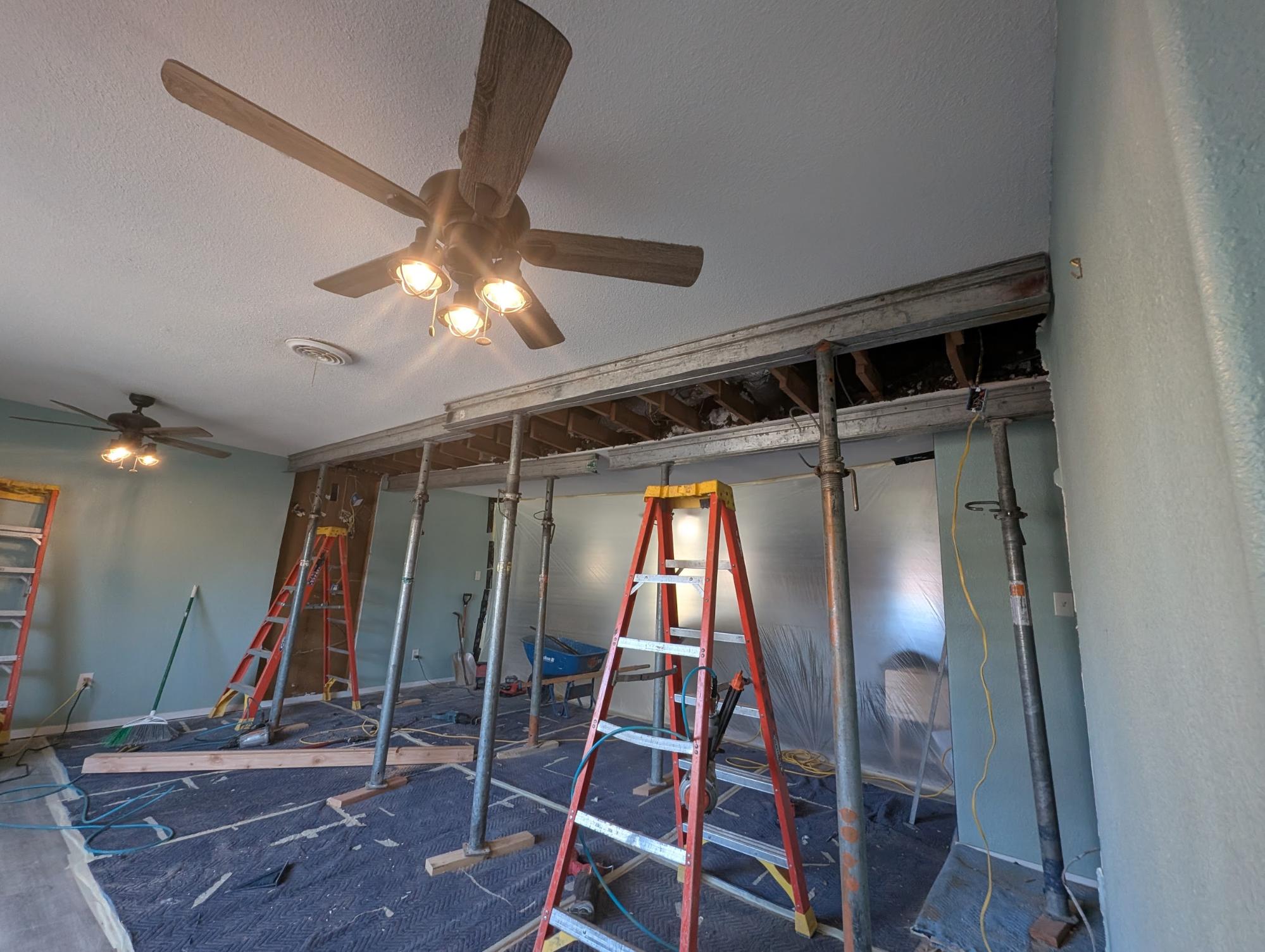
One-day completion. Because we complete the structural work in a SINGLE DAY, the exposure window is minimal. We're not leaving your house open to the elements for days or weeks. The wall comes out, the beam goes in, and you're sealed back up before the evening news.
Indoor work. Almost all of our work happens INSIDE your home. We're not pouring concrete in the cold. We're not doing exterior work exposed to wind and rain. The wall removal, beam installation, and joist connection all happen in your heated interior.
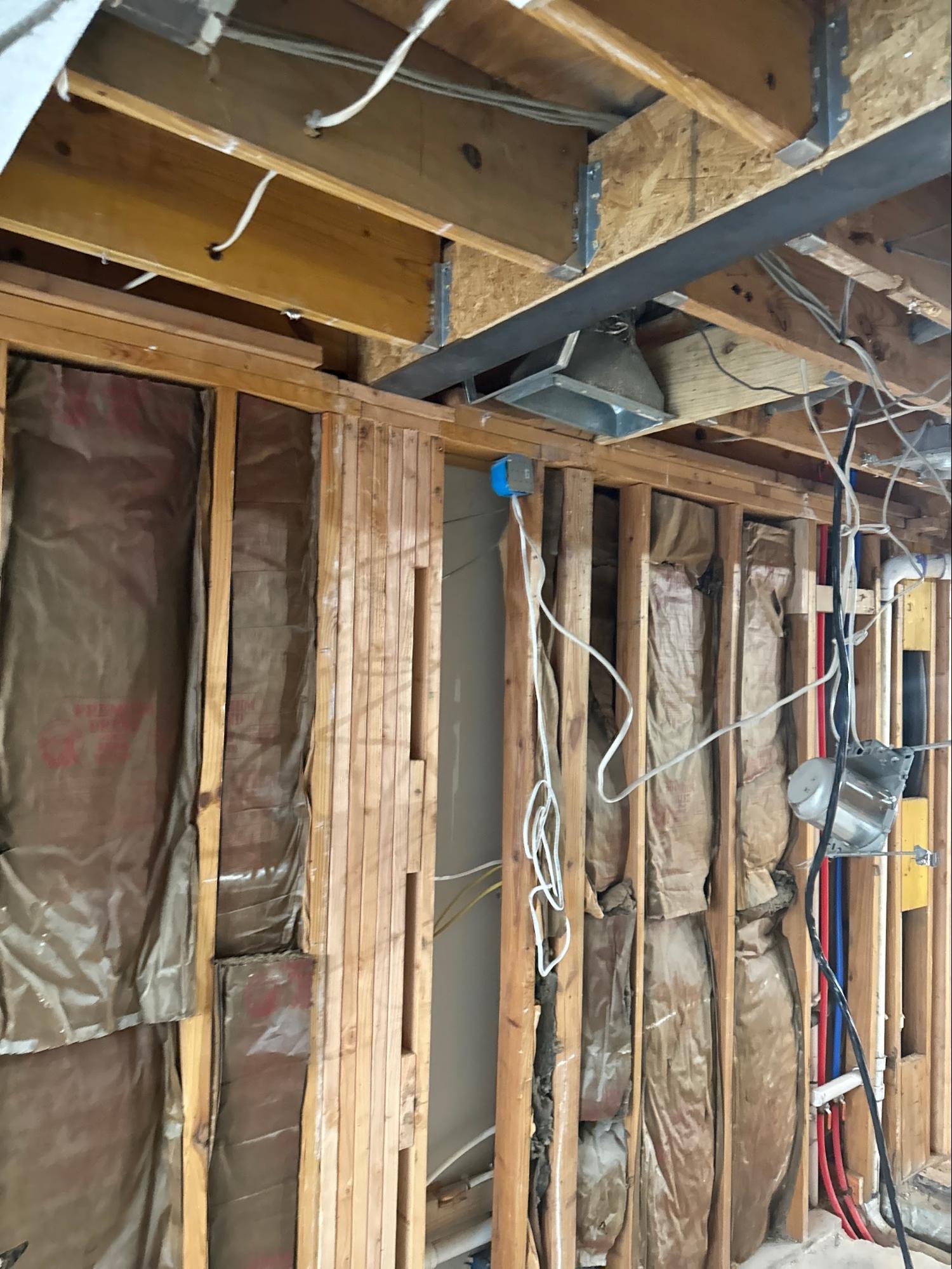
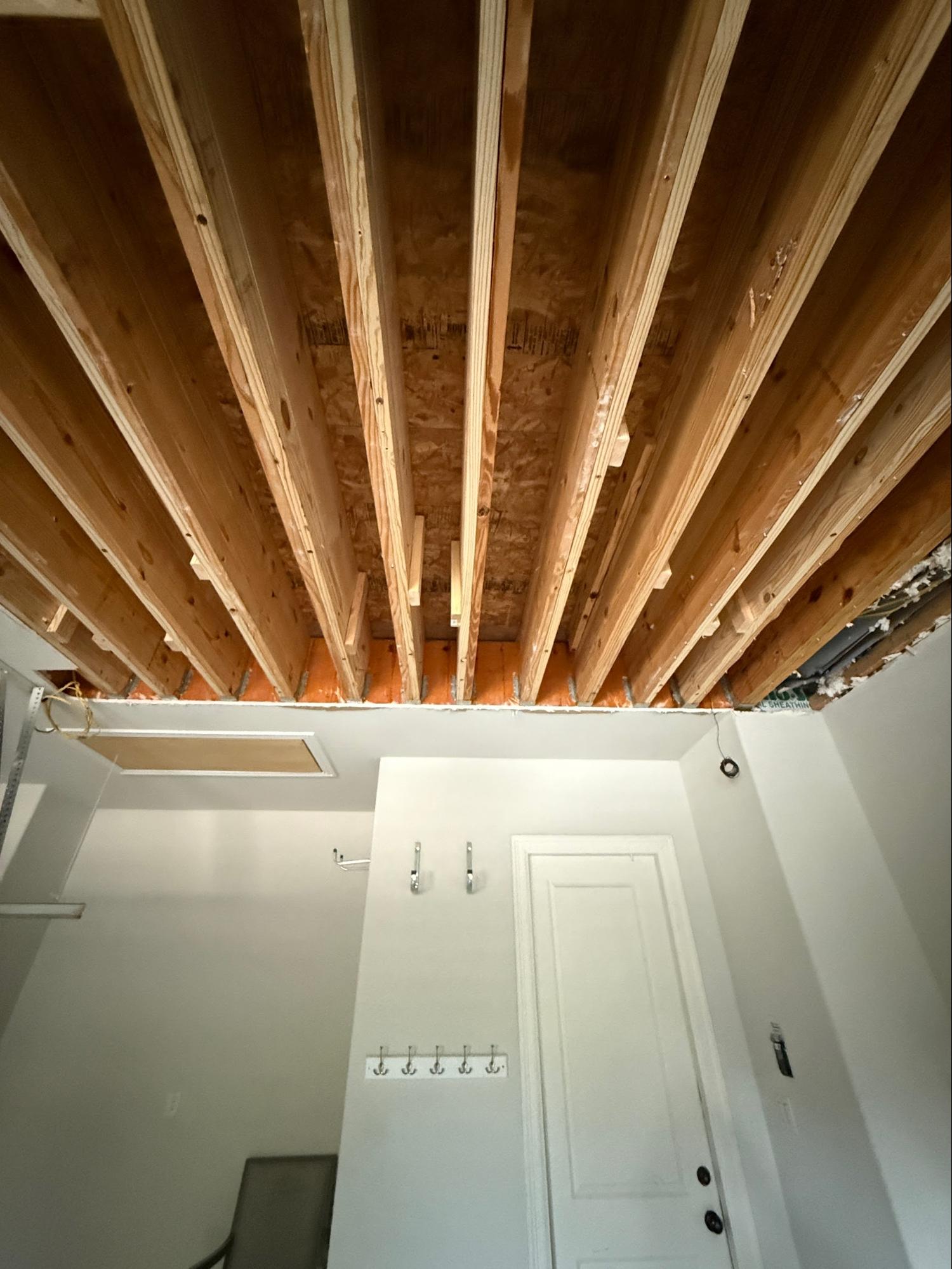
Pre-fabrication. Beams arrive cut and ready. We're not cutting steel or wood on-site in the cold. The precision work happened in a controlled environment. On-site, it's assembly and installation.
12,000+ projects in ALL seasons. We've done wall removals in August heat, February cold, April storms, and every weather window in between. The playbook adjusts. The result doesn't.
⭐️⭐️⭐️⭐️⭐️ "Load Bearing Wall Pros were incredible, from the very start, they had an estimator come and do a quick assessment and made a recommendation that was very easy to understand." -- Percival Mosaedi, Plano
Third Quarter: Preparing Your Home for a Winter Project
Want to make your winter project go as smoothly as possible? Here's your pre-game checklist:
HVAC prep. Make sure your heating system is working well before the project. You'll want to maintain indoor temperature while work is happening. If your furnace hasn't been serviced in a while, get it checked beforehand.
Clear the work area thoroughly. In winter, your crew might be wearing heavier gear and boots. Give them EXTRA space to maneuver. Move furniture farther away from the wall than you think necessary.
Floor protection matters MORE. Wet boots, cold-related condensation, and additional protective materials mean more potential for floor damage. Make sure your contractor is using heavy-duty floor protection. LBWP uses moving blankets on every job, every season.
Plan for dust containment. In summer, you might open windows to ventilate. In winter, that's not ideal. Make sure your contractor uses plastic sheeting to seal off the work area from the rest of the house. This keeps dust in the work zone and heat in the living zones.
Schedule morning prep time. If there's frost on the ground, equipment setup might take slightly longer. Morning temperatures in Texas can hover below freezing even when afternoon highs reach the 50s or 60s. A 9am start might be more practical than 7am on the coldest days.
Fourth Quarter: Common Winter Concerns (and Why They Shouldn't Stop You)
"Won't my house be cold with a wall open?"
For the short time the wall is physically open during removal, yes -- cold air can enter. But LBWP seals the work area and completes the work in hours, not days. The temporary temperature dip is no worse than leaving your back door open while carrying in groceries.
"Won't moisture affect the new beam?"
Steel beams are unaffected by moisture. LVL beams are moisture-resistant and are installed indoors, protected from direct exposure. By the time your drywall goes up, the beam is fully enclosed and protected for life.
"What about frozen pipes near the wall?"
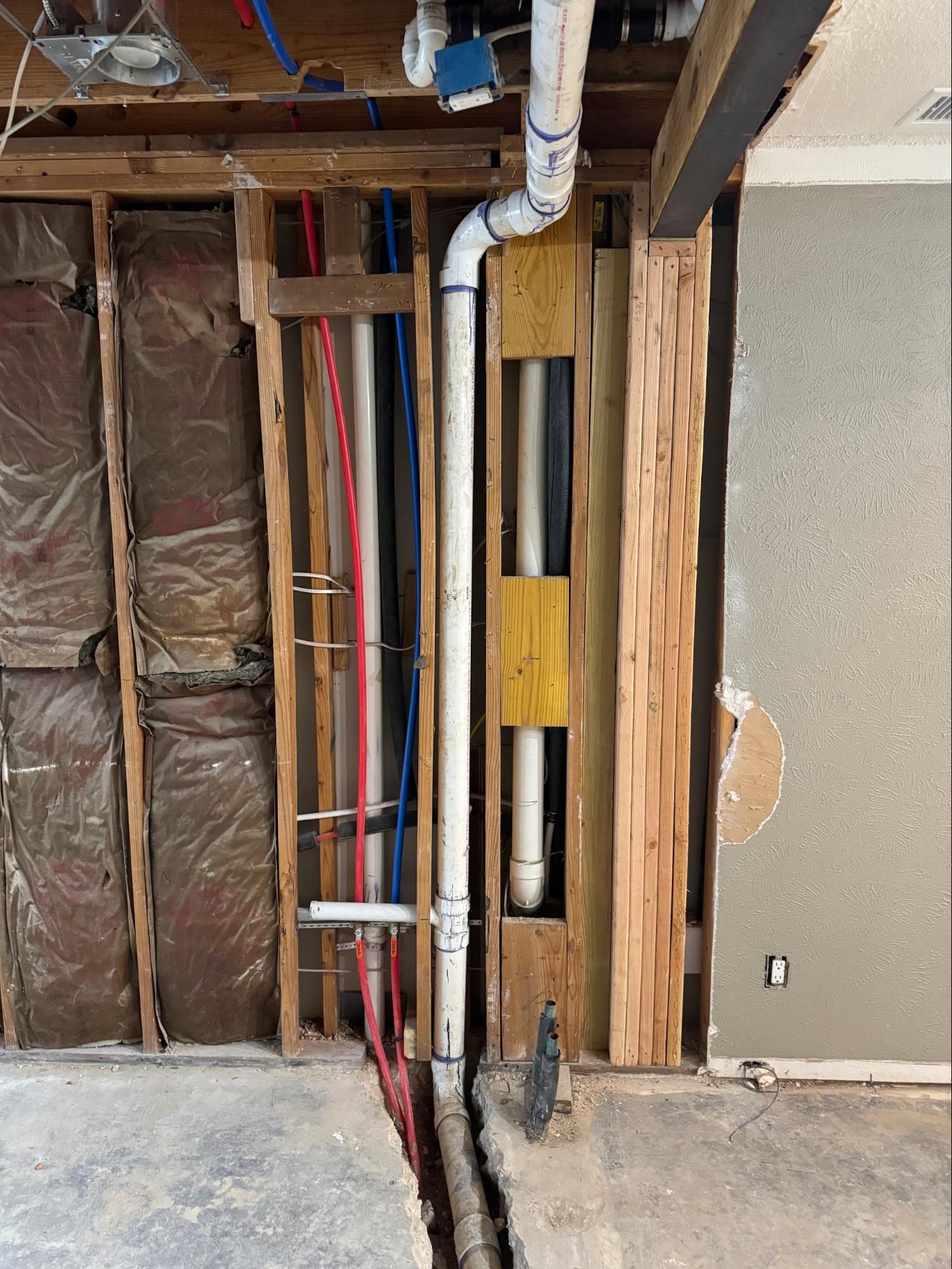
If the wall contains plumbing, your contractor needs to plan for rerouting BEFORE demolition. In winter, this is actually safer because you're more aware of pipe locations and freezing risks. The work is done with the heat on -- pipes stay warm.
"Is the concrete foundation affected?"
Only if your project requires new concrete work (footings, piers). Most residential wall removals bear on existing foundation elements, so no new concrete is needed. If it IS needed, your contractor plans for cold-weather curing protocols.
"Should I just wait for spring?"
Only if you WANT to wait. There's no structural or safety reason to delay a winter project when working with experienced professionals. The playbook adjusts. The outcome is the same. And you'll be enjoying your open floor plan while everyone else is still waiting for their spring appointment.
The Victory Lap
The best football teams play all season -- not just in perfect weather. They have the playbook depth, the conditioning, and the experience to perform when conditions aren't ideal.
Your renovation doesn't need to wait for perfect conditions. It needs the right team with the right playbook.
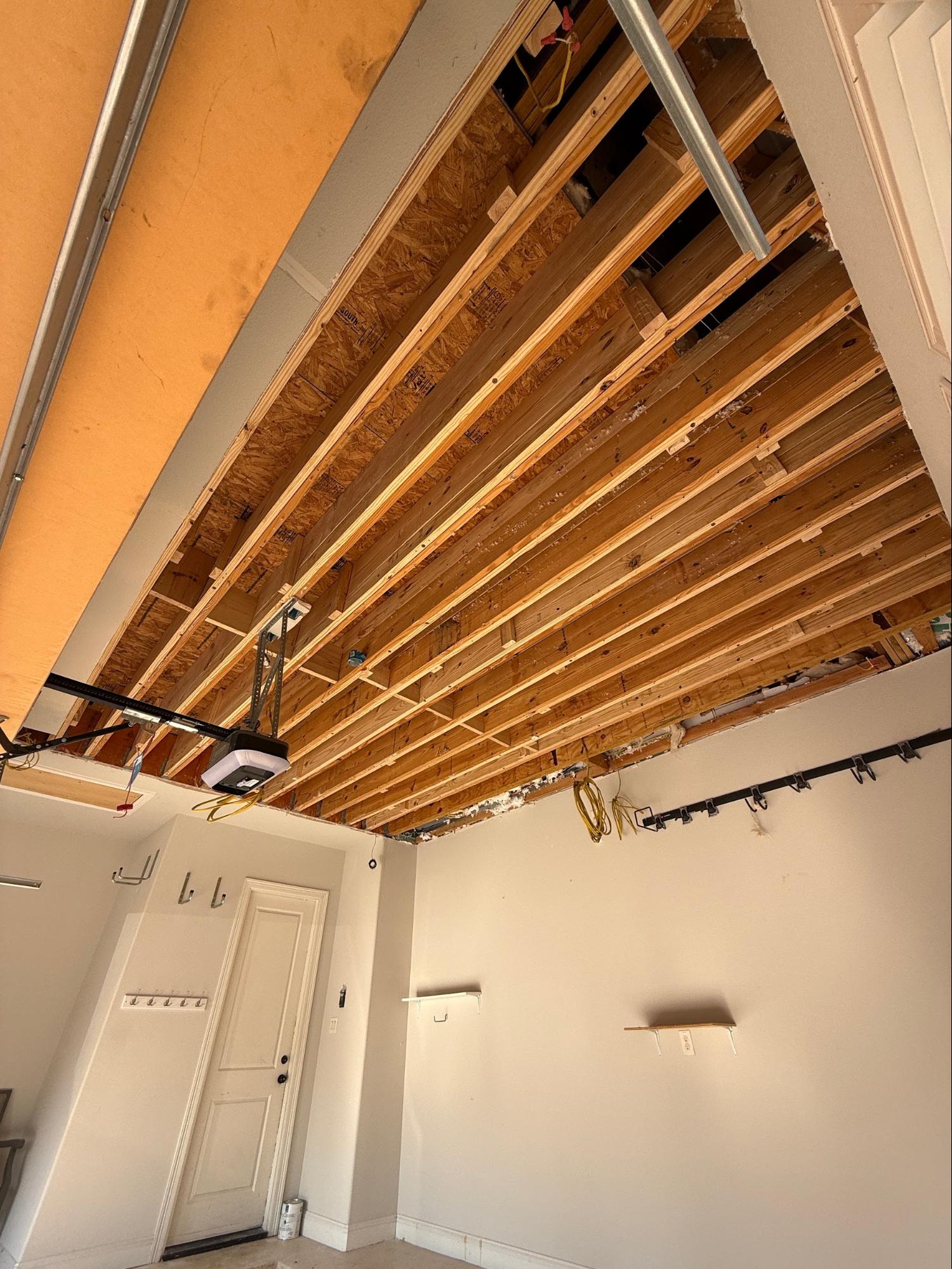
Load Bearing Wall Pros has been playing in every season since 2015. 12,000+ projects. Texas heat. Texas cold. Texas everything in between. The game plan adjusts. The score doesn't.
⭐️⭐️⭐️⭐️⭐️ "Efficient work, with good communication about the scope of work and the process during the estimate, pre-work walk-through, and post-construction discussion. Highly recommend!" -- Scott Maynor, Plano
FAQ
Is it safe to remove a load-bearing wall in winter?
Absolutely. Professional crews adjust for cold-weather conditions, and most of the work happens indoors. LBWP has completed thousands of winter projects with identical results to any other season.
Will my energy bills spike during the project?
Minimally. The work area is sealed off, and the actual "open" time when the wall is physically removed is measured in hours. Any temporary heat loss is negligible.
Does cold weather affect beam performance?
No. Steel and LVL beams perform identically in Texas winter temperatures. There's no structural difference between a beam installed in January and one installed in July.
Are winter projects cheaper?
Often, yes. Lower demand can mean faster scheduling and occasionally better pricing. It's not guaranteed, but the trend favors off-season projects.
How do I prepare my home for a winter project?
Service your HVAC, clear extra space around the work area, ensure good floor protection, and plan for morning temperatures. Your contractor handles the rest.
---
Don't let the cold bench your renovation. Call Load Bearing Wall Pros at 469-813-8143 (DFW), 713-322-3908 (Houston), or 512-641-9555 (Austin). We play in every season.