
How to Coordinate Multiple Trades During Structural Wall Removal
4144 | Slug: how-to-coordinate-multiple-trades-during-structural-wall-removal---
Your renovation is an airport.
Not the calm, lounge-with-a-glass-of-wine kind of airport. The other kind. The one where thirty-seven things are happening simultaneously, everything depends on timing, and one missed handoff can stack delays across the entire system.
The electrician is Flight 227, circling and waiting for clearance. The HVAC crew is Flight 314, taxiing toward the runway. The plumber? Flight 502, currently stuck on the tarmac because somebody didn't file the right departure sequence. And the structural team -- that's the runway itself. Nothing takes off, nothing lands, nothing MOVES until the runway is clear and certified.
That's what coordinating multiple trades during a wall removal actually looks like. And just like real air traffic control, the stakes for getting it wrong are a lot higher than a delayed flight.
Why Wall Removal Creates a Traffic Jam
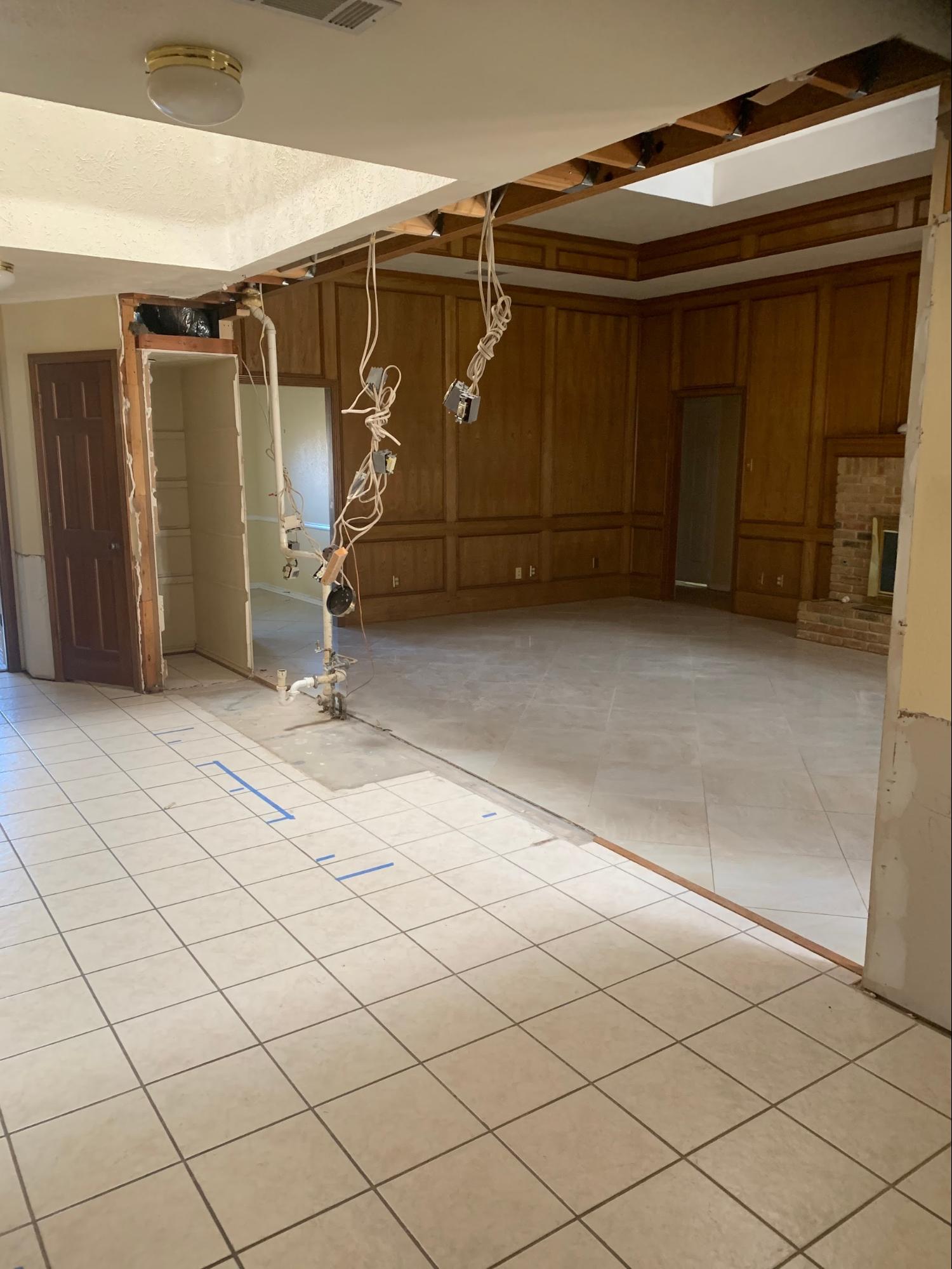
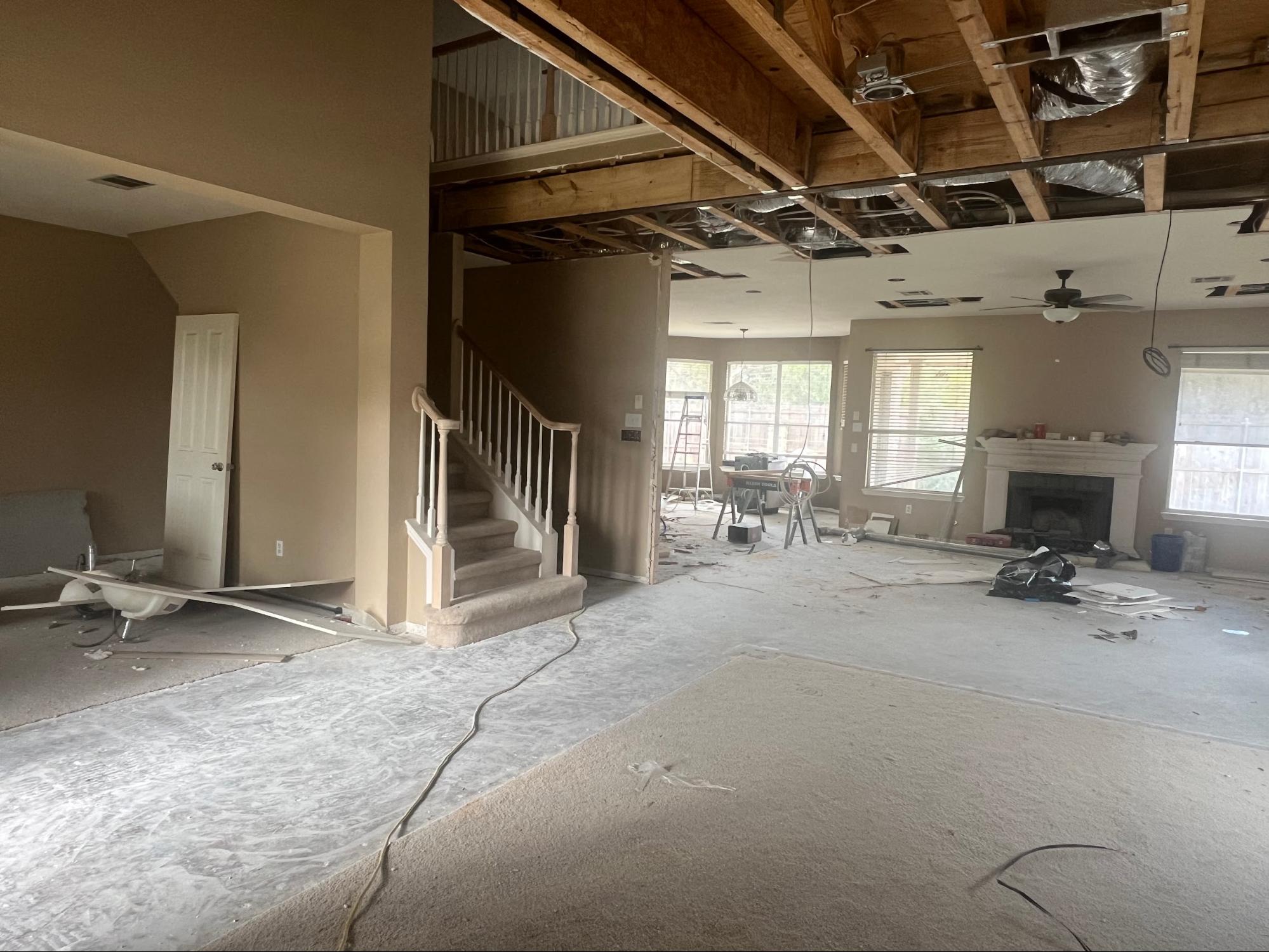
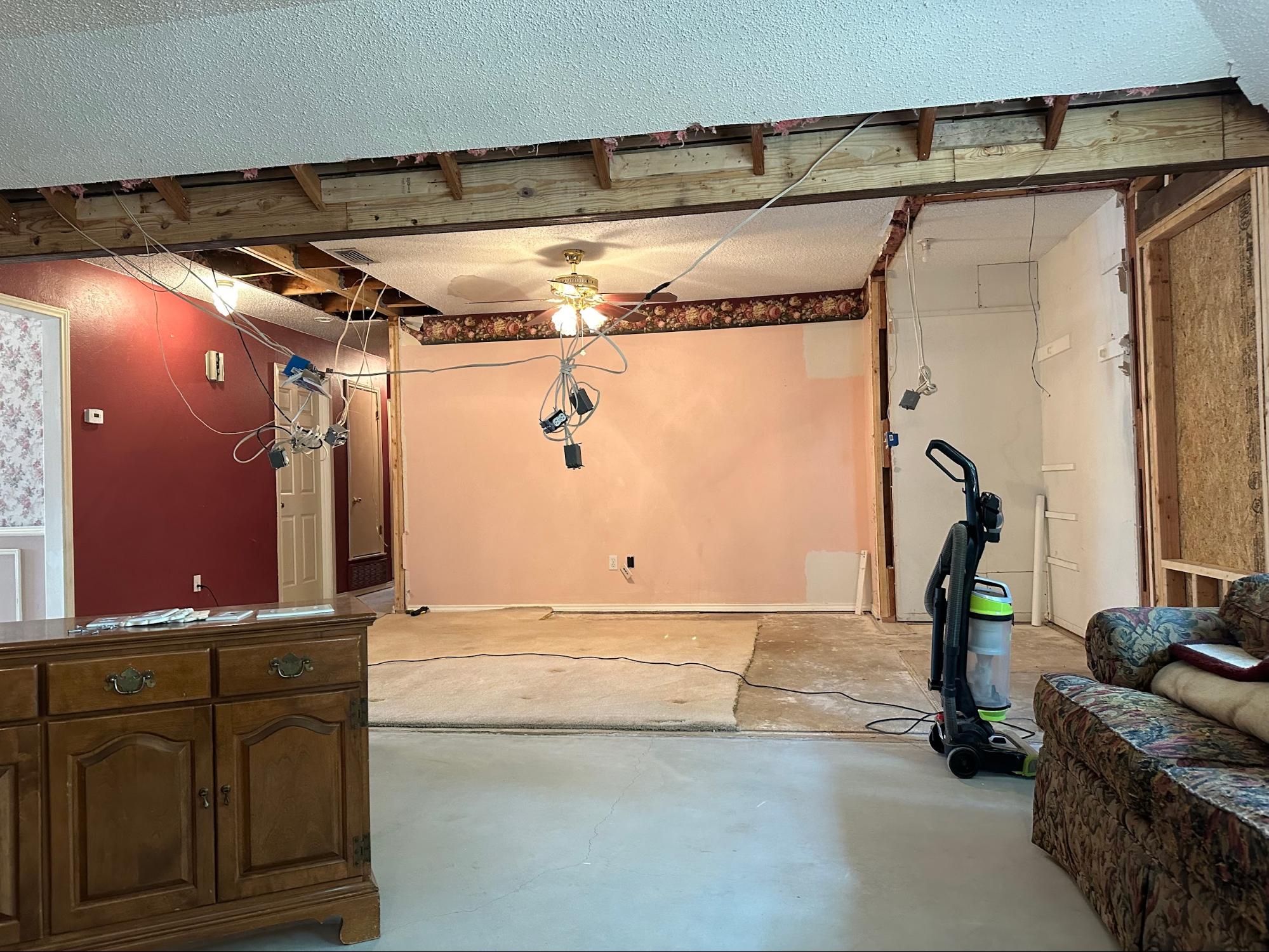
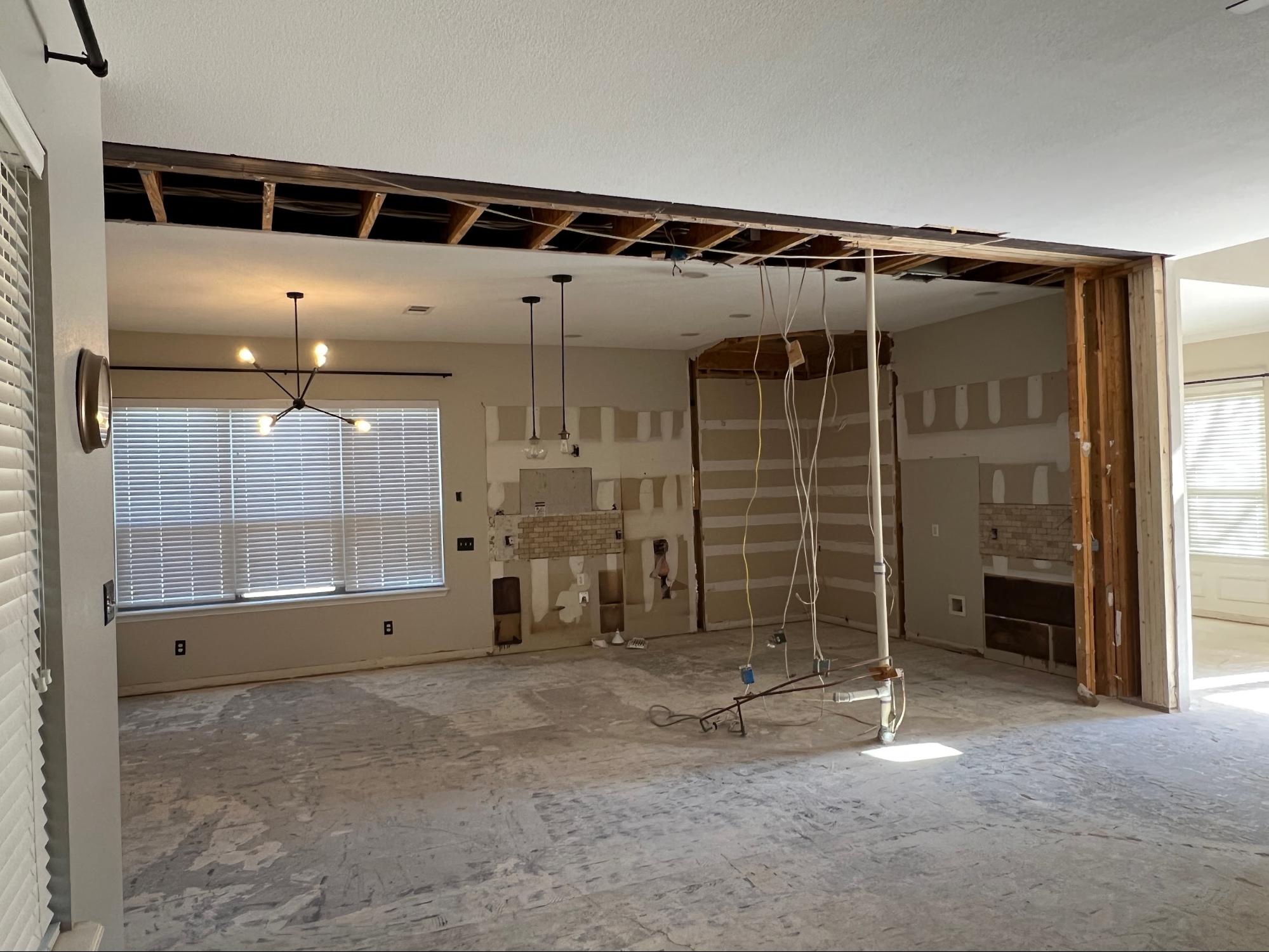
A load-bearing wall isn't just a wall. It's the intersection of every system in your house.
Inside that wall -- or running through, over, under, and around it -- you'll typically find:
- Electrical wiring. Outlets, switches, junction boxes, runs to the panel. Sometimes circuits serving rooms on the other side of the house that just happen to pass through this wall.
- Plumbing. Water supply lines, drain pipes, vent stacks. Kitchen and bathroom walls are notorious for being load-bearing AND full of plumbing.
- HVAC ducts. Supply runs, return runs, sometimes the main trunk line. Your climate system treats walls like highways.
- Low-voltage wiring. Cable, ethernet, speaker wire, security system runs, smart home wiring. The invisible nervous system of a modern house.
- Gas lines. In older Texas homes, especially those with gas cooktops or wall-mounted heaters -- gas lines run through walls that everyone assumes are empty.
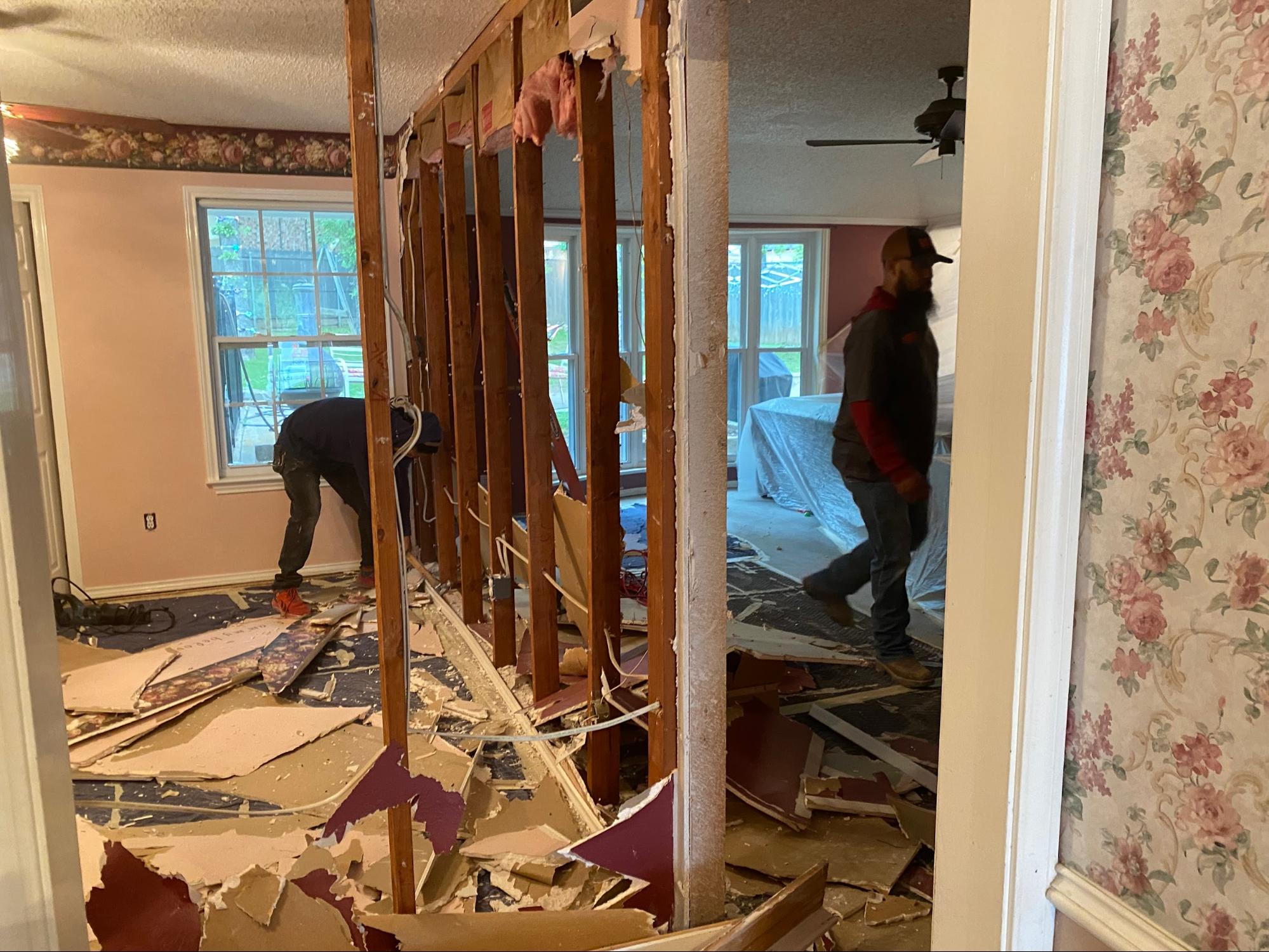
Removing that wall means EVERY one of those systems needs to be rerouted before, during, or after the structural work. And every one of those reroutes is a different trade, with different scheduling constraints, different inspection requirements, and different opinions about who should go first.
Welcome to the tower.
"We endeavored to take on a kitchen remodel -- which included removing a load bearing wall. The Load Bearing Wall Pros came highly recommended. Throughout the process they didn't disappoint." -- Lee Harmon
The Golden Rule: Structure First
In air traffic control, you don't let planes take off until the runway is built. In wall removal, you don't let finish trades start until the structural work is done.
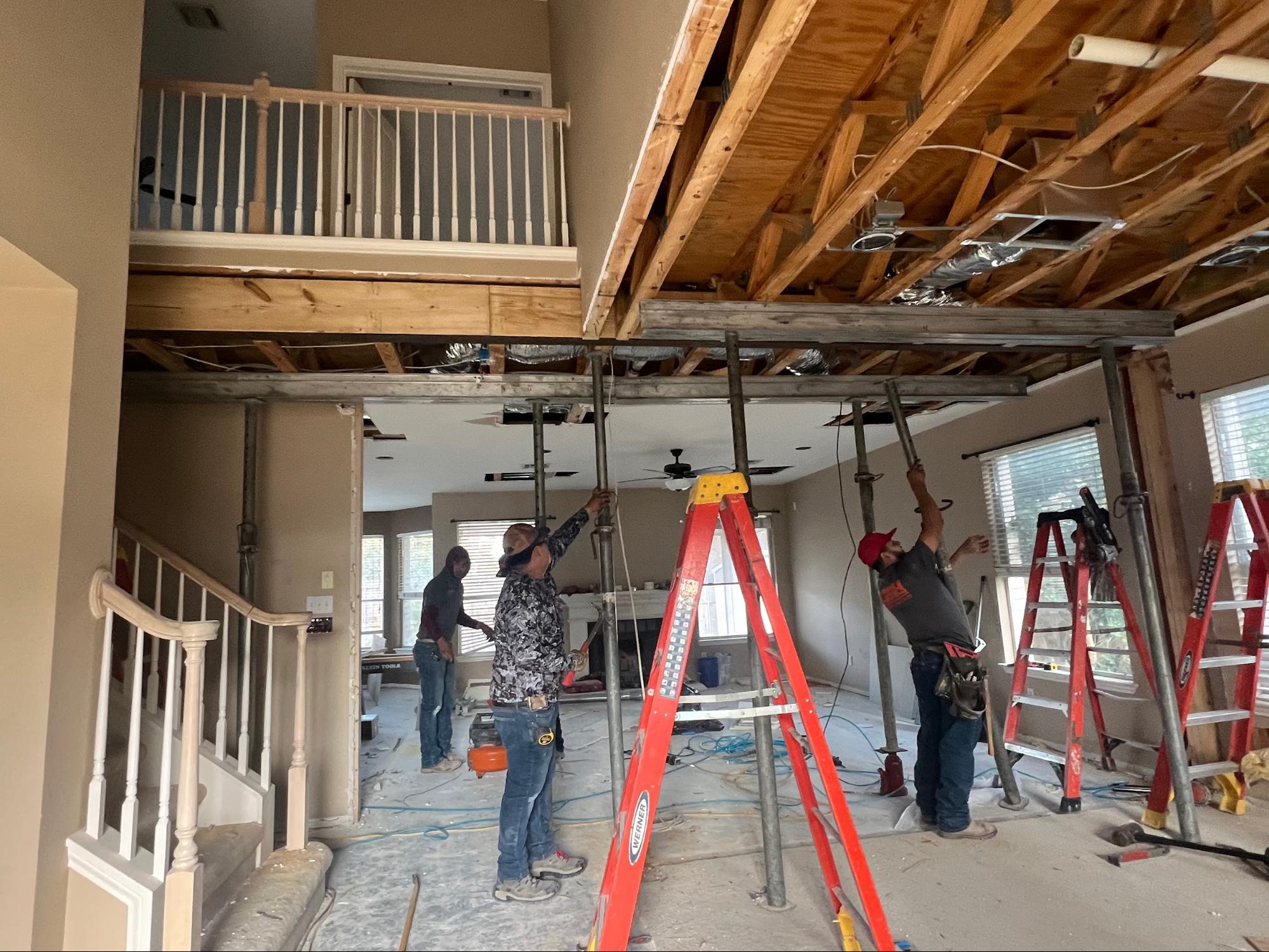
This is non-negotiable. The structural phase -- engineering, temporary supports, wall removal, beam installation -- establishes the framework that everything else depends on. If you let the electrician reroute wires before the beam is in, those wires might end up in the wrong place. If you let the drywaller patch before the plumber reroutes, you're cutting open brand-new drywall.
The sequence matters. And the structural work is ALWAYS the runway.
At Load Bearing Wall Pros, we've completed over 12,000 structural wall removals since 2015. Every single one required coordination with other trades. We've refined the sequence to minimize delays, eliminate conflicts, and ensure your project doesn't turn into a scheduling disaster.
The Flight Plan: Proper Sequencing
Here's the departure order that works. Every time. We've tested it across thousands of projects, and deviating from this sequence is how renovations end up two months behind schedule.
Phase 1: Pre-Flight -- Engineering and Planning
Before anyone picks up a tool, the structural engineer maps the existing conditions. What's in the wall? Where do the loads go? What size beam do we need? Where do the posts land?
This engineering phase also produces the documents your other trades need to plan their own work. The electrician needs to know where the new beam will be so they can reroute around it. The HVAC crew needs to know where the posts will stand so they don't put a duct run in a spot that's about to have a steel column.
Who's involved: Structural engineer, homeowner, general contractor (if applicable)
Duration: 1-2 weeks for engineering and permits
Phase 2: Pre-Demolition Reroutes
THIS is where most projects get the sequence wrong. Before you can remove the wall, certain utilities need to move:
- Electrical: Any live circuits in the wall need to be disconnected or rerouted by a licensed electrician. You cannot demo a wall with live wires in it.
- Gas: If there's a gas line, it gets capped and rerouted BEFORE demolition. Non-negotiable safety item.
- Plumbing: Active supply lines and drain pipes need to be shut off and prepped for rerouting. The full reroute often happens after the beam is in, but the shut-off happens before demo.
Who's involved: Electrician, plumber, gas fitter (as needed)
Duration: Usually 1 day, sometimes coordinated to happen the same day as structural work
Phase 3: The Main Event -- Structural Work
This is our runway. Temporary supports go up. The wall comes down. The beam goes in. Posts are secured. Connections are verified. The structure is now carrying its loads through the new system.
Who's involved: Load Bearing Wall Pros (that's us)
Duration: Typically 1 day
Phase 4: Post-Structure Utility Work
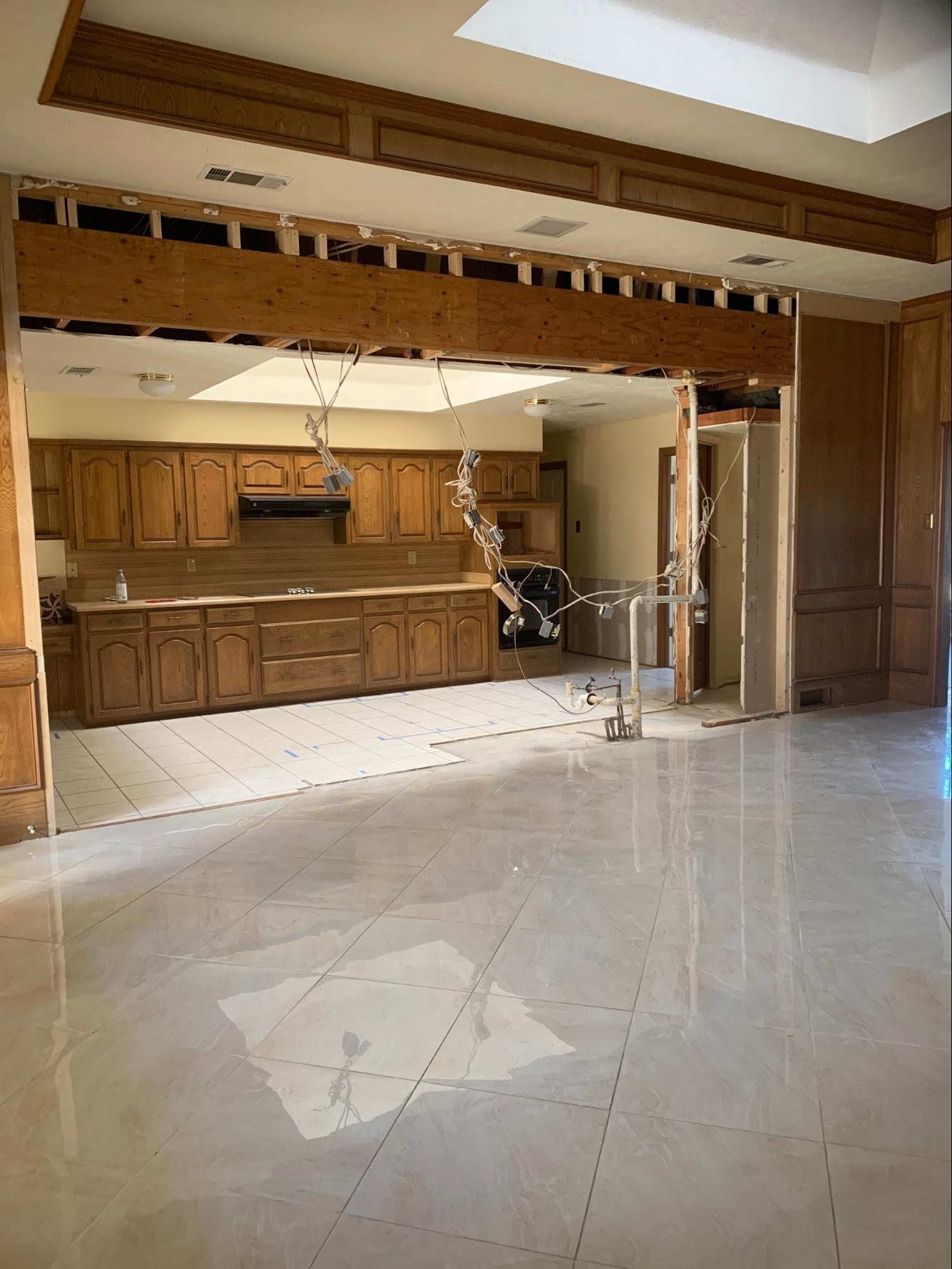
Now that the beam is in and the new framing is established, the trades can finalize their reroutes:
- Electrician runs new circuits, installs boxes, and connects to the panel based on the new layout.
- Plumber completes drain and supply reroutes now that they can see the final framing.
- HVAC modifies ductwork to account for the new open space, new beam location, and new register positions.
- Low-voltage runs are pulled to their new locations.
Key point: These trades can often work simultaneously IF they're in different areas. The electrician in the attic and the plumber in the crawlspace don't conflict. But the electrician and the HVAC crew both working in the same ceiling cavity? That's a mid-air collision waiting to happen.
Who's involved: Electrician, plumber, HVAC, low-voltage
Duration: 1-3 days depending on complexity
Phase 5: Inspections
Before any walls get closed up, inspections happen. Rough electrical. Rough plumbing. Mechanical. Structural. Each inspector needs to see the work BEFORE it's covered by drywall.
Critical sequencing note: Schedule all rough inspections before ANY drywall goes up. If the electrical inspector fails you after the drywall is hung, guess what's coming down?
Duration: 1-3 days (depending on local jurisdiction scheduling)
Phase 6: Finish Trades
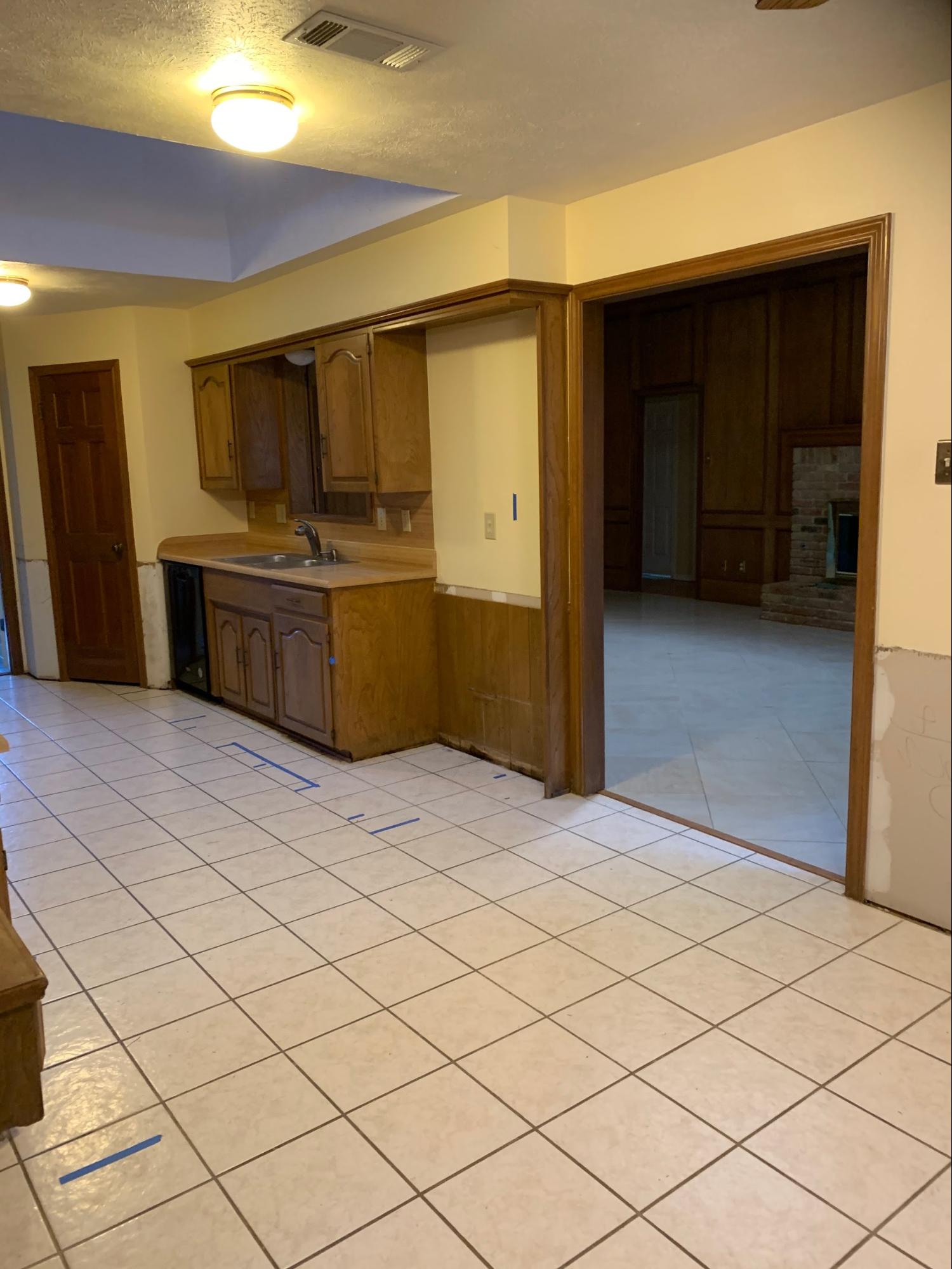
The planes are landing now. Drywall. Tape and float. Paint. Trim. Flooring. Tile. These trades work in their own sequence, and they ALL depend on the rough work being done and inspected.
Who's involved: Drywall crew, painter, flooring installer, trim carpenter, tile setter
Duration: 1-3 weeks depending on scope
The Five Collisions We See Most (And How to Avoid Them)
Collision 1: Electrician vs. Beam
The electrician reroutes circuits before knowing where the beam lands. The beam goes right through their new junction box. Now they're rerouting the reroute.
Fix: Share the engineering drawings with the electrician BEFORE they start work.
Collision 2: HVAC vs. Post
The HVAC crew runs a new supply duct right where a support post needs to go. The post can't move -- it's carrying the beam. The duct has to move.
Fix: Post locations are determined by engineering, not by duct convenience. Share the plans early.
Collision 3: Plumber vs. Schedule
The plumber can't come until next Thursday. The structural work is scheduled for Tuesday. Nobody rerouted the water line in the wall. Now the structural crew is on-site and can't demo because there's a live supply line in the wall.
Fix: Pre-demolition utility work happens BEFORE the structural crew arrives. Book the plumber for Monday.
Collision 4: Drywall vs. Inspector
The drywall crew got ahead of schedule and closed up the walls before the rough electrical inspection. Inspector requires access to every junction box. Now you're cutting holes in brand-new drywall.
Fix: No drywall until ALL rough inspections pass. Period.
Collision 5: Everyone vs. Everyone
Three trades show up on the same day because nobody coordinated. They're tripping over each other, working in the same space, slowing each other down. Productivity drops 50%.
Fix: One trade per space per day. If the space is large enough for parallel work in different zones, great. If not, stagger them.
"The crew is so professional. Everything is done exactly like you are told. This is the second time we have used Load Bearing Wall Pros since buying this house in 2019." -- Pat Kirby
Who's the Air Traffic Controller?
Somebody has to run the tower. In a traditional renovation, that's the general contractor. In a project where you're self-managing, that's YOU. And in either case, the structural team sets the master schedule because everything else revolves around when the wall comes out and the beam goes in.
At Load Bearing Wall Pros, we provide:
- Engineering drawings that other trades can use for their own planning
- Clear scope documentation so everyone knows where our work ends and theirs begins
- Scheduling coordination so the structural phase slots into the overall project timeline without delays
- One-day completion on the structural phase, minimizing the window where your home is mid-surgery
We're not the general contractor. We're the runway. But we make sure the runway is exactly where it needs to be, exactly when it needs to be there, so every other flight can take off on schedule.
The Homeowner's Checklist for Multi-Trade Coordination
Before your project starts, confirm:
- Engineering drawings shared with ALL trades
- Pre-demolition utility work scheduled BEFORE structural day
- Gas lines identified and capped/rerouted
- Live electrical disconnected from the demo zone
- HVAC crew has post and beam locations
- Inspection schedule confirmed with local building department
- Drywall crew knows to wait for inspection sign-off
- One person is designated as the coordinator (GC or homeowner)
Frequently Asked Questions
Who should I hire first -- the structural team or the other trades?
Structural first. Our engineering phase determines where the beam and posts go, which dictates everything else. Other trades plan around us, not the other way around.
Can trades work simultaneously with the structural crew?
Not in the same space. While we're installing the beam, that area is a construction zone. Other trades can work in unrelated parts of the house, but the wall removal zone is ours until the beam is in.
What if I don't have a general contractor?
Many of our clients manage their own projects. We provide clear documentation about our scope and timeline so you can coordinate the other trades yourself.
How do I know what utilities are in my wall?
Our onsite evaluation identifies visible indicators, and the engineering phase accounts for known utility runs. However, hidden utilities are always possible, which is why pre-demolition investigation matters.
What happens if a surprise is found during demolition?
We stop, assess, and coordinate. If we find unexpected plumbing or wiring, we pause that section until the appropriate trade addresses it. Safety and sequence always come first.
---
What Our Customers Say
---
Ready to get your project on the flight plan? Schedule your free onsite estimate and we'll establish the runway for your renovation.
Load Bearing Wall Pros | 12,000+ walls removed since 2015 | 4.9★ from 1,100+ reviews
DFW: 469.813.8143 | Houston: 713.322.3908 | Austin: 512.641.9555