
Load Bearing Beam Types: Steel, LVL, PSL, and Glulam Compared
The right load bearing beam for your wall removal depends on span, load, ceiling height, and budget. Steel I-beams handle the longest spans. LVL (laminated veneer lumber) is the workhorse for most residential Texas projects. Our PE selects beam type and size based on your specific engineering numbers. 12,000+ beams installed since 2015.
4167 | Slug: choosing-the-perfect-beam-materials-that-keep-your-walls-safe-and-stylish---
Every great movie needs a leading actor who can carry the whole thing.
You can have the best script, the most stunning cinematography, a killer soundtrack, an Oscar-worthy supporting cast -- but if your LEAD can't hold it together? The whole production falls apart. Literally.
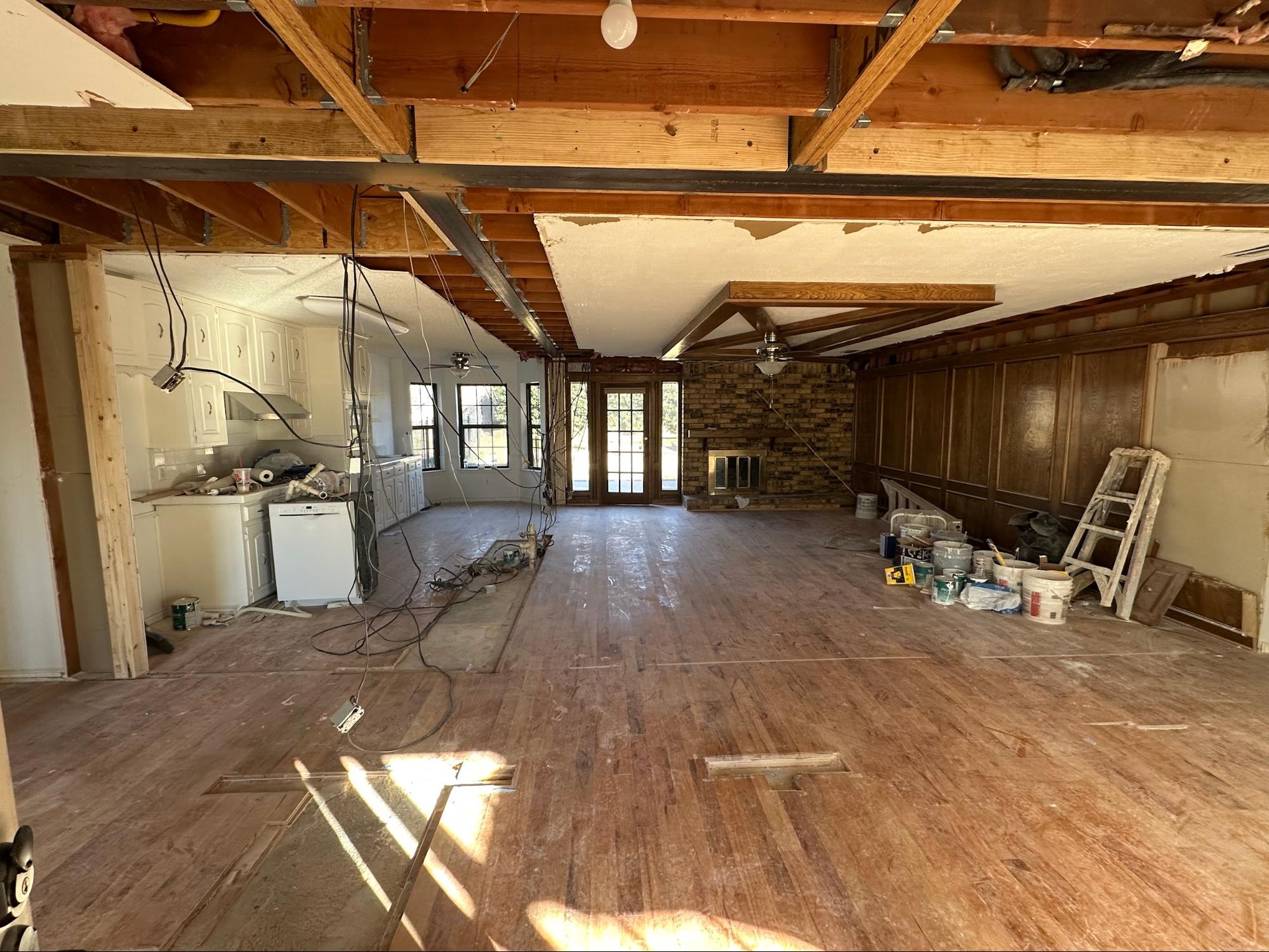
That's exactly what a beam does in your home after a load-bearing wall comes out. It steps into the starring role -- carrying thousands of pounds of roof, floor, and structure across open space -- and it has to PERFORM. Flawlessly. Silently. For the next fifty to a hundred years.
So how do you cast the right lead? Because picking the wrong beam for your home is like casting a sitcom actor in a war epic. They might look the part on paper. But when the heavy scenes hit, you'll know you made the wrong call.
Let's hold auditions.
What Is a Load Bearing Beam?
A load bearing beam (also called a structural beam or support beam) is installed when you remove a load-bearing wall. It takes over the wall's job, carrying structural weight above and transferring it to posts and down to the foundation. Beam sizing is an engineering calculation based on span, tributary load, and your home's framing.
Load Bearing Beam Types: Full Comparison
Not all beams are created equal, just like not all actors are right for every role. Each material has its strengths, its limitations, and its ideal casting.
Steel I-Beams: The Action Hero
Steel is your Dwayne Johnson. Unquestionably strong. Can carry ANYTHING. Shows up on time, doesn't complain, handles whatever you throw at it.
Best for:
- Long spans (16+ feet)
- Heavy loads (multi-story support, concentrated point loads)
- Situations where you need maximum strength in minimum depth
- Projects where the beam will be hidden and aesthetics don't matter
The performance: Steel has the highest strength-to-weight ratio of any common beam material. A steel W8x10 beam can span distances that would require a MASSIVE wood beam to match. It won't rot, won't warp, won't shrink, won't swell with humidity.
The catch: Steel is HEAVY. A typical residential steel beam weighs 200-400 pounds, and installation requires either a serious crew or mechanical lifting. Steel also conducts heat and cold (thermal bridging), which can affect energy efficiency if not properly insulated. And cutting or modifying steel on-site requires specialized equipment.
Cost: $3,000-$7,000+ installed, depending on length and load requirements.
⭐️⭐️⭐️⭐️⭐️ "Load Bearing Walls are actually pros, just like their name says. We had them remove 5 walls from our home and the first time they came out, we found plumbing running through one of the walls we were removing." -- Stephanie Thiele, Plano
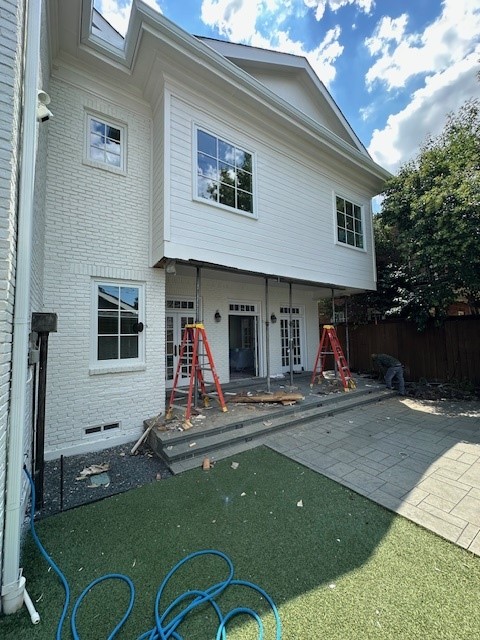
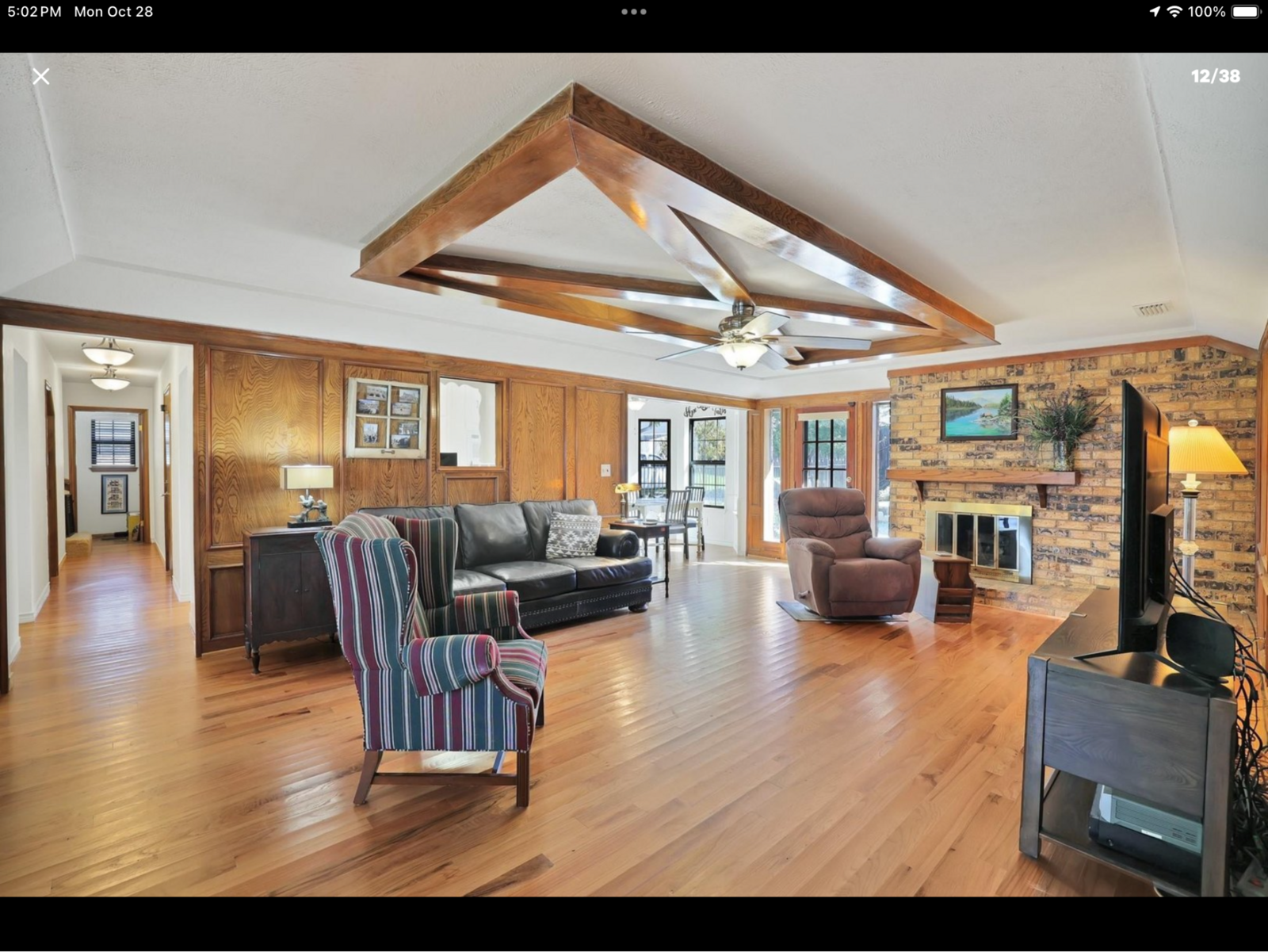
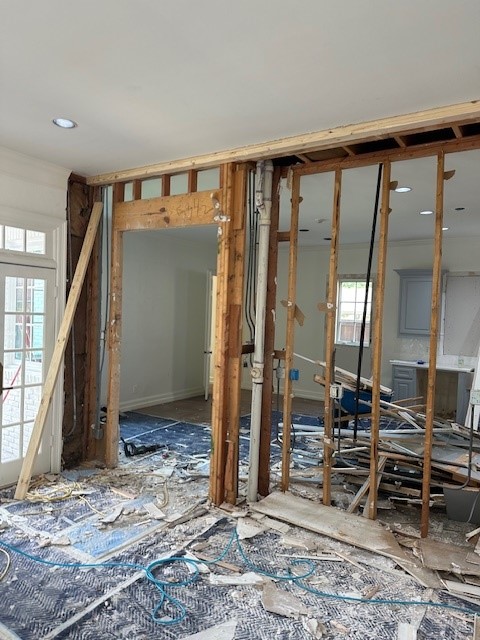
LVL (Laminated Veneer Lumber): The Versatile Character Actor
LVL is your Tom Hanks. Can do everything. Drama, comedy, action -- always delivers, never overpriced, shows up prepared.
Best for:
- Most residential wall removals (8-16 foot spans)
- Projects where cost-effectiveness matters
- Installations where weight is a concern (easier to handle than steel)
- Situations where the beam might be partially visible
The performance: LVL beams are engineered by laminating thin layers of wood veneer under heat and pressure. The result is a beam that's STRONGER than solid lumber, dimensionally stable (won't twist, bow, or crown like dimensional lumber), and available in consistent, predictable sizes.
Multiple LVL plies can be bolted together -- a 2-ply, 3-ply, or 4-ply LVL assembly -- to increase strength and stiffness. This modularity makes LVL incredibly versatile. Need more carrying capacity? Add another ply. It's like your character actor bringing different skills to each scene.
The catch: LVL can't match steel for extreme spans or extreme loads. And while it's dimensionally stable, it IS wood -- it needs to be protected from prolonged moisture exposure. Also, LVL beams for longer spans can get DEEP (tall), which may not fit in tight ceiling cavities.
Cost: $1,500-$4,500 installed, depending on span and ply count.
PSL (Parallel Strand Lumber): The Indie Film Star
PSL is your Cate Blanchett -- sophisticated, unique, and perfect for specific roles that other materials can't fill as elegantly.
Best for:
- Exposed beam applications where appearance matters
- Heavy loads in moderate spans
- Situations requiring a premium aesthetic
The performance: PSL beams are made from parallel wood strands bonded together. They're available in larger cross-sections than LVL and have a distinctive wood-grain appearance that some homeowners love for exposed beam designs.
The catch: Pricier than LVL with a more limited selection of standard sizes. Not every supplier stocks them.
Cost: $2,000-$5,500 installed.
Glulam (Glue-Laminated Timber): The Period Drama Specialist
Glulam is your Daniel Day-Lewis -- absolutely PERFECT for the right role, transformative when cast correctly, and brings a gravitas that nothing else can match.
Best for:
- Exposed beam designs where the beam IS the design feature
- Custom architectural applications
- Curved or arched spans (yes, glulam can be curved)
- Clients who want their beam to look like a rustic timber feature
The performance: Glulam beams are built from layers of dimensional lumber bonded together with structural adhesive. They can be manufactured in custom sizes, curved profiles, and architectural-grade finishes. A exposed glulam beam in a great room looks STUNNING -- it transforms from structural necessity to design centerpiece.
The catch: More expensive than LVL. Custom sizes increase lead time. And the "rustic beam" look, while beautiful, doesn't fit every home style.
Cost: $2,500-$6,000+ installed, more for custom profiles.
Solid Dimensional Lumber: The Background Extra
Solid wood beams (like a doubled-up 2x12) are your background actors. They can fill small roles, but don't ask them to carry the production.
Best for:
- Very short spans (under 6 feet)
- Light loads
- Budget-constrained projects with minimal structural demands
The performance: Limited. Solid lumber is inconsistent -- it contains knots, grain variations, and natural defects that reduce strength. It also shrinks, warps, and twists over time as moisture content changes.
The reality: We almost never recommend solid lumber for load-bearing beam applications. The performance just isn't there. It's like casting an extra as the lead because they were cheaper -- it might work for a minute, but you'll regret it by act three.
The Director's Cut: How Your Engineer Chooses
You don't cast a movie by picking the most expensive actor. You cast by picking the RIGHT actor for the ROLE.
Your structural engineer does the same thing with beams. Here's what drives the casting decision:
Span length is the biggest factor. The longer the beam needs to stretch, the stronger it needs to be. Short spans (8-10 feet) can often use LVL. Long spans (16-20+ feet) usually need steel.
Load magnitude matters hugely. A beam carrying just a ceiling and attic insulation has a very different job than one carrying a second floor, a bathroom full of fixtures, and a roof above that.
Available depth -- how much vertical space exists for the beam. Steel packs more strength into less depth. LVL might need to be deeper (taller) to match the same capacity. If your ceiling height is tight, steel might be the only option that fits.
Budget is always a factor. LVL typically costs 30-50% less than steel for equivalent residential applications. When LVL can do the job, the savings are real.
Aesthetics -- will the beam be visible? If so, glulam or PSL might be worth the premium for their appearance. If hidden in the ceiling, go with whatever performs best at the best price.
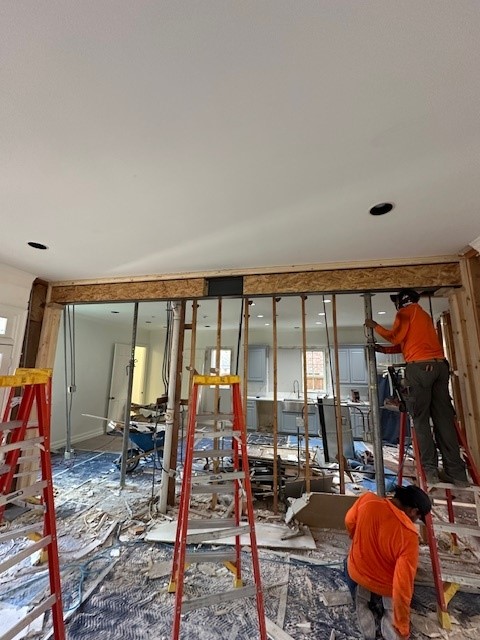
⭐️⭐️⭐️⭐️⭐️ "LBWP's did an amazing job to install two beams at my home. They protected my floors, demo'd what needed to be and installed the new steel beams with efficiency. Amazing to see the speed and professionalism at which the team worked!" -- Scott Jones, Plano
The Box Office Flop: What Happens When You Cast Wrong
Bad casting ruins movies. Wrong beams ruin houses. Here's what goes wrong:
Undersized beam = the actor who can't carry the role. The beam deflects (bows) under load. Floors above start to sag. Drywall cracks. Doors stick. Over months and years, the deflection gets worse. By the time you notice, the damage is significant.
Wrong material for the environment = method actor in the wrong genre. Wood beam in a high-moisture area without protection? It'll rot. Steel beam in a coastal environment without corrosion coating? It'll rust. The material has to match the CONDITIONS, not just the load.
Oversized beam = blowing the budget on a blockbuster when an indie would've worked. This isn't dangerous -- just expensive. A steel beam where an LVL would've been perfect is like hiring Robert Downey Jr. for a local commercial. He'll do a great job. But you overpaid.
No engineering = casting by vibes instead of auditions. "That looks about right" is not a beam specification. Generic span tables from the internet are audition tapes -- they give you a rough idea, but they don't account for YOUR specific production. Always get engineering.
The Production Budget: Real-World Costs
Here's what Texas homeowners typically spend on beams:
| Beam Type | Installed Cost | Best For |
|-----------|---------------|----------|
| Steel I-beam | $3,000-$7,000+ | Long spans, heavy loads |
| LVL (multi-ply) | $1,500-$4,500 | Most residential projects |
| PSL | $2,000-$5,500 | Exposed beams, heavy loads |
| Glulam | $2,500-$6,000+ | Architectural/exposed beams |
| Solid lumber | $500-$1,500 | Very short spans only |
Remember: the beam cost is one part of the total project. Engineering, labor, temporary support, permits, and finishing all add to the production budget.
FAQ
Can I choose my own beam type, or does the engineer decide?
The engineer specifies what's STRUCTURALLY required -- minimum size, minimum strength. Within those parameters, you often have choices. Like picking between actors who can all do the role -- the engineer tells you who's qualified, you pick your favorite.
Will my beam be visible?
Depends on the installation type. Flush beams hide inside the ceiling joist cavity -- completely invisible. Drop beams hang below the ceiling line. If you want invisible, discuss flush installation with your contractor during planning.
How long do beams last?
Steel: 100+ years with minimal maintenance. LVL/PSL/Glulam: 50-100+ years when properly installed and protected from moisture. These are lifetime investments -- you'll remodel the kitchen three times before you need to think about the beam.
Can a beam be changed later if I want something different?
Technically yes, but it's a major project. Beam replacement means re-shoring the structure, removing the existing beam, and installing a new one. Get it right the first time.
What if my contractor suggests a different beam than the engineer specified?
The engineer's specification is the MINIMUM. A contractor can always upgrade (stronger beam), but should never downgrade. If a contractor suggests something lighter or smaller than what the engineer specified, get a second opinion immediately.
---
Cast the right lead. Your house deserves a star, not an understudy. Call Load Bearing Wall Pros at 469-813-8143 (DFW), 713-322-3908 (Houston), or 512-641-9555 (Austin). We'll run the auditions and pick the perfect performer.